FlowEdit evidence test / 10 first outputs

Can AI product photography preserve the real product?

Often—but not perfectly. In this small FlowEdit test, 8 of 10 first outputs cleared our commercial-use threshold. Both packaging results were rejected because the printed artwork changed.

This is a transparent product test, not a universal accuracy claim. Every first output is shown below, including failures.

First outputs
10
Passed with review
8
Rejected
2
Regenerations hidden
0

Method

A deliberately small, difficult test.

We selected five representative product images with different fidelity risks. Each source was submitted once to a constrained background edit and once to a more ambitious commercial scene. That produced 10 images at one credit each.

We kept the first output from every request. We did not regenerate weak results, substitute a better candidate, or score visual attractiveness as product accuracy.

The pass threshold was practical: could an ecommerce operator plausibly publish the image for its stated job without repairing a material mismatch? “Passed with review” still means the product owner must compare the output with the real SKU.

Seven checks

What we inspected in every image.

  1. 01Geometry

    Silhouette, proportions, and component placement

  2. 02Color + material

    Color, finish, reflections, and material behavior

  3. 03Construction

    Seams, settings, ports, hardware, and assembly

  4. 04Graphics + pattern

    Visible artwork, text, and repeating details

  5. 05Scale + context

    Plausible size and physical interaction with the scene

  6. 06AI defects

    Duplicated, malformed, impossible, or invented elements

  7. 07Commercial use

    Publishable for the stated job without repair

Source → edit → campaign

All five products. All 10 first outputs.

Inspect the product, not just the scene. Each group uses the same source image for both generations.

Test 01 / Illustrated packaging

Winter cookie tin

Fidelity risk: Dense artwork, panel registration, and lid-to-body alignment

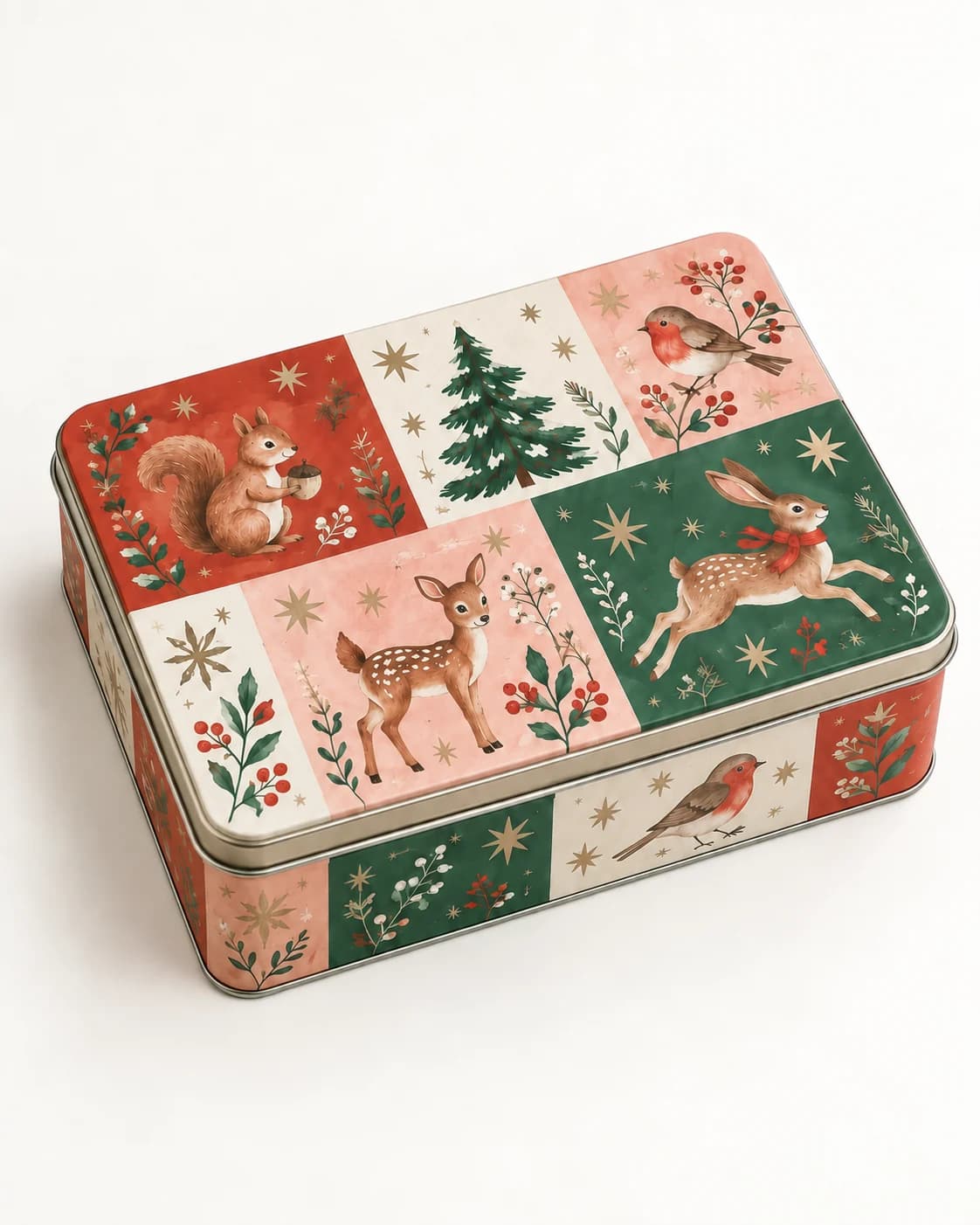
Source image of a rectangular illustrated winter cookie tin
SourceExact product reference
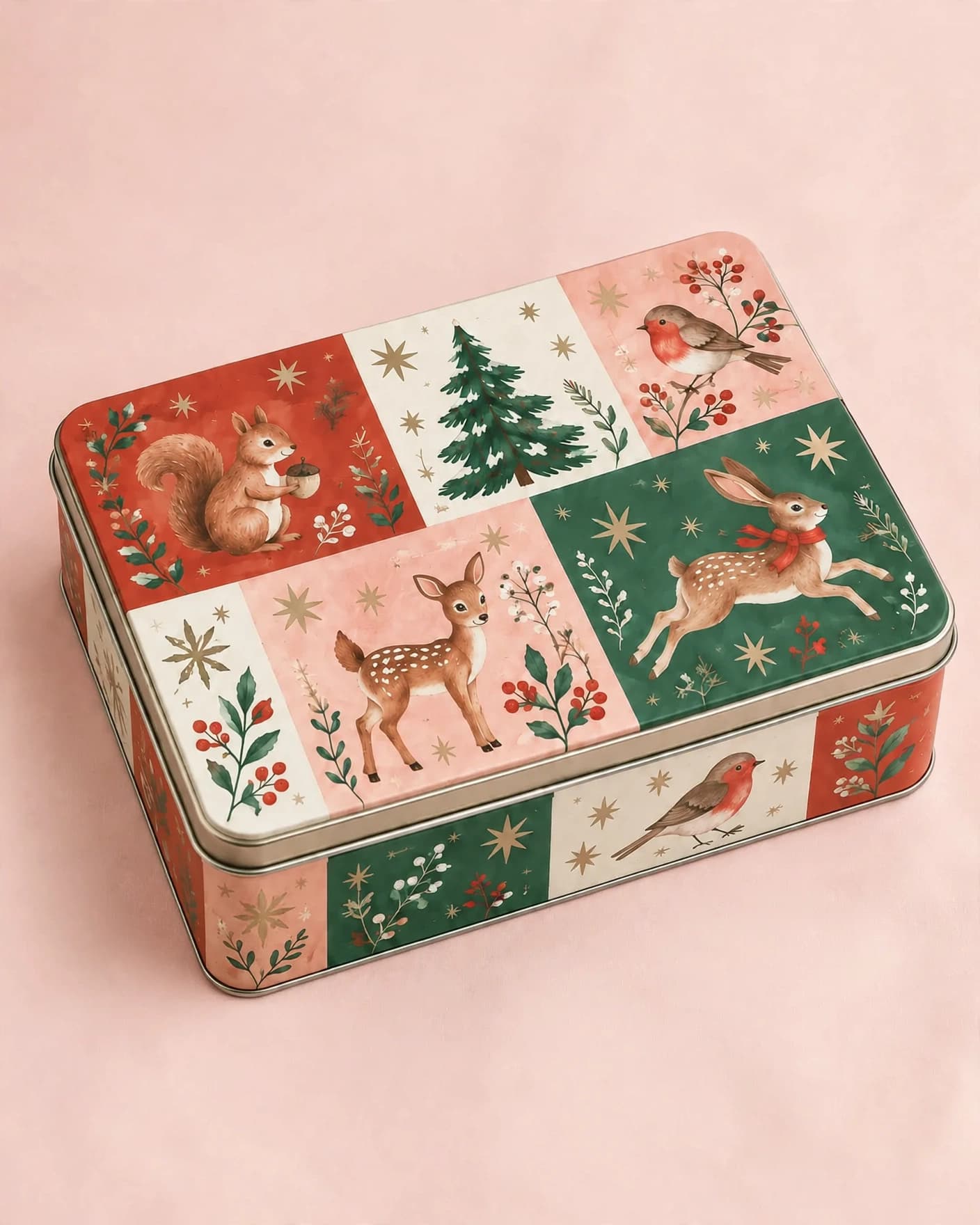
AI background edit of the illustrated cookie tin on a blush studio sweep
Constrained background editRejected

The tin stayed recognizable, but small illustration details and decorative marks were redrawn. That is too risky for exact packaging representation.

  • GeometryHeld
  • Color + materialReview
  • ConstructionHeld
  • Graphics + patternChanged
  • Scale + contextHeld
  • AI defectsReview
  • Commercial useChanged
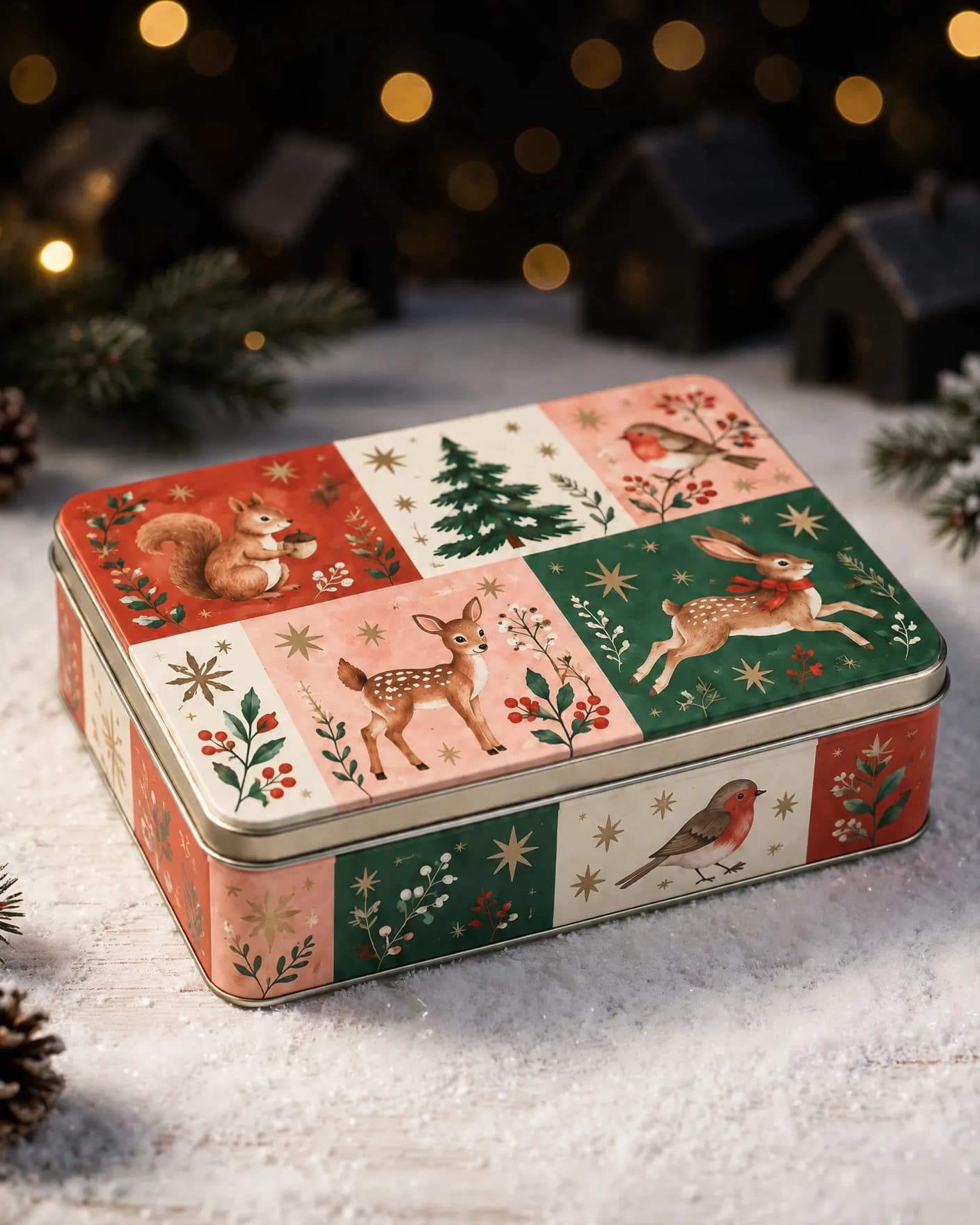
AI seasonal campaign image of the illustrated cookie tin in a winter scene
Seasonal campaignRejected

The campaign is visually convincing, but the same artwork drift remains. It should not replace a verified packaging photograph.

  • GeometryHeld
  • Color + materialReview
  • ConstructionHeld
  • Graphics + patternChanged
  • Scale + contextHeld
  • AI defectsReview
  • Commercial useChanged

Test 02 / Reflective jewelry

Oval diamond ring

Fidelity risk: Stone shapes, prongs, setting construction, and cool-white metal

Source image of a palladium-white oval diamond ring
SourceExact product reference
AI background edit of the oval diamond ring on deep green
Constrained background editPassed with review

The stone arrangement, cool-white metal, and frontal product identity remain convincing. Fine prong and facet details still require a jeweler's close review.

  • GeometryReview
  • Color + materialHeld
  • ConstructionReview
  • Graphics + patternN/A
  • Scale + contextHeld
  • AI defectsHeld
  • Commercial useHeld
AI premium campaign image of the oval diamond ring on deep green
Premium campaignPassed with review

The more dramatic composition keeps the recognizable stone hierarchy and metal tone, with microscopic setting accuracy remaining the main review point.

  • GeometryReview
  • Color + materialHeld
  • ConstructionReview
  • Graphics + patternN/A
  • Scale + contextHeld
  • AI defectsHeld
  • Commercial useHeld

Test 03 / Technical soft goods

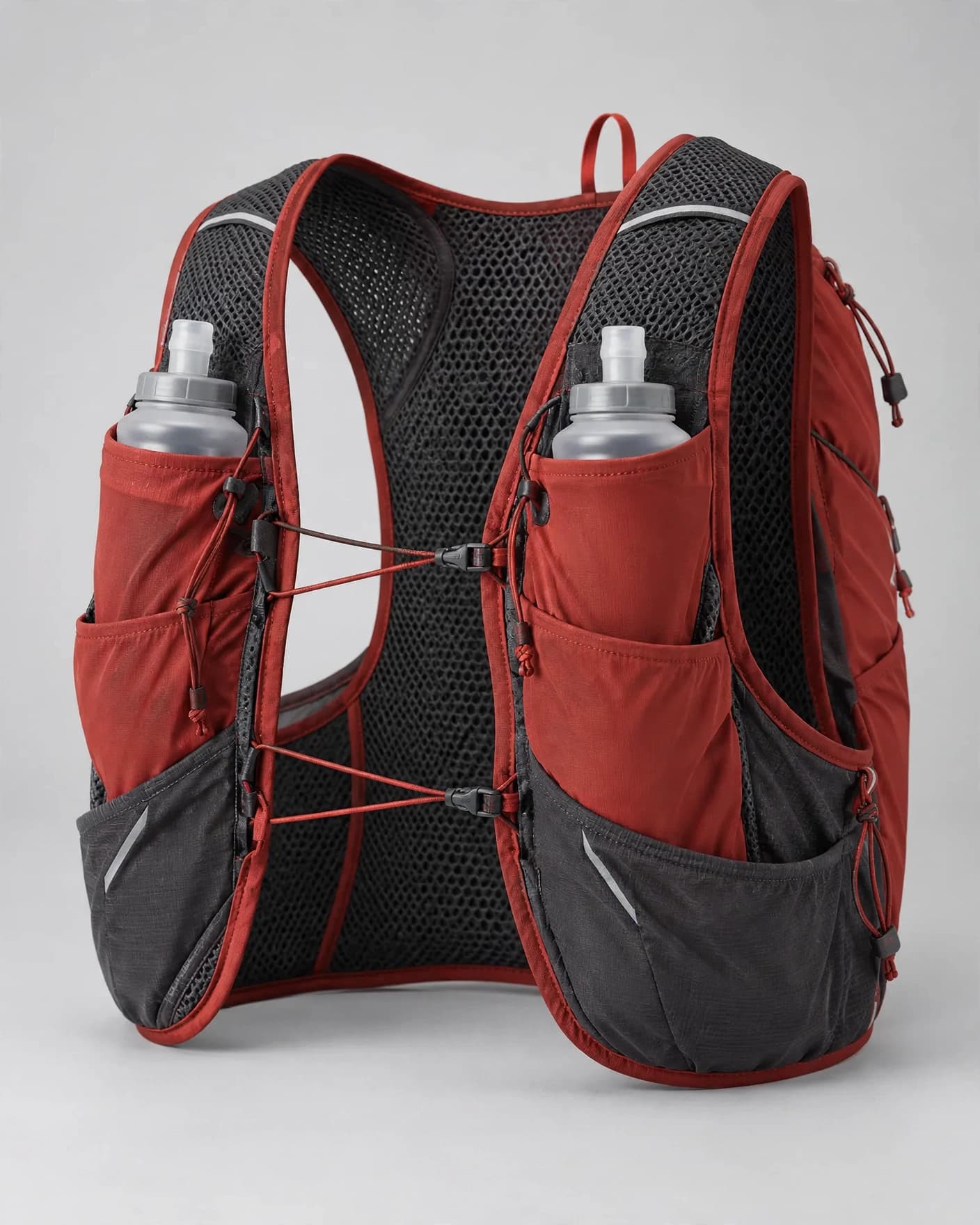
Trail hydration vest

Fidelity risk: Mesh, seams, pockets, cords, hardware, and paired flasks

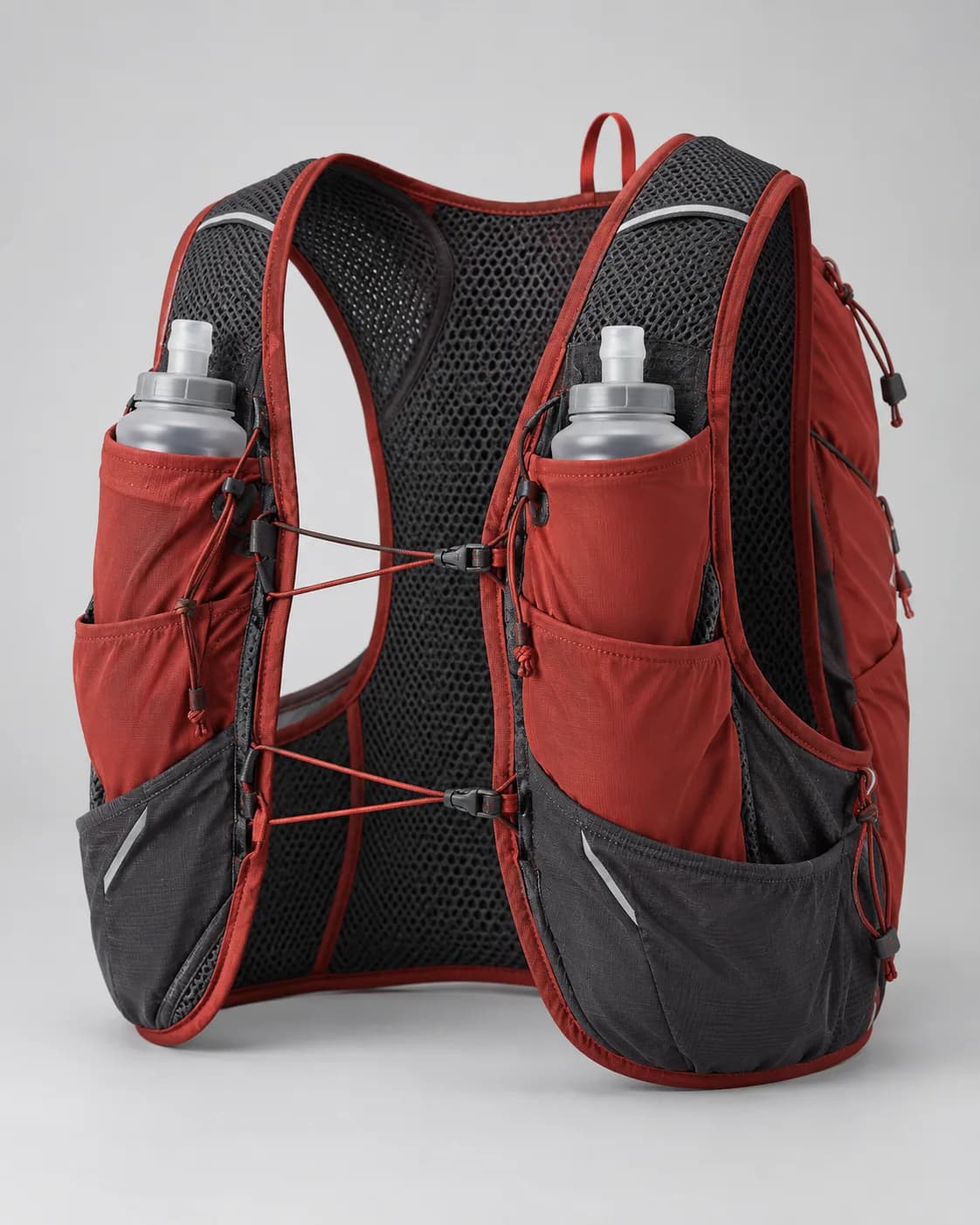
Source image of an iron-red technical trail hydration vest with two flasks
SourceExact product reference
AI background edit of the technical hydration vest
Constrained background editPassed with review

The two-flask layout, pocket architecture, mesh, color blocking, and cord system remain legible. Small hardware details still deserve a product-owner check.

  • GeometryHeld
  • Color + materialHeld
  • ConstructionReview
  • Graphics + patternN/A
  • Scale + contextHeld
  • AI defectsHeld
  • Commercial useHeld
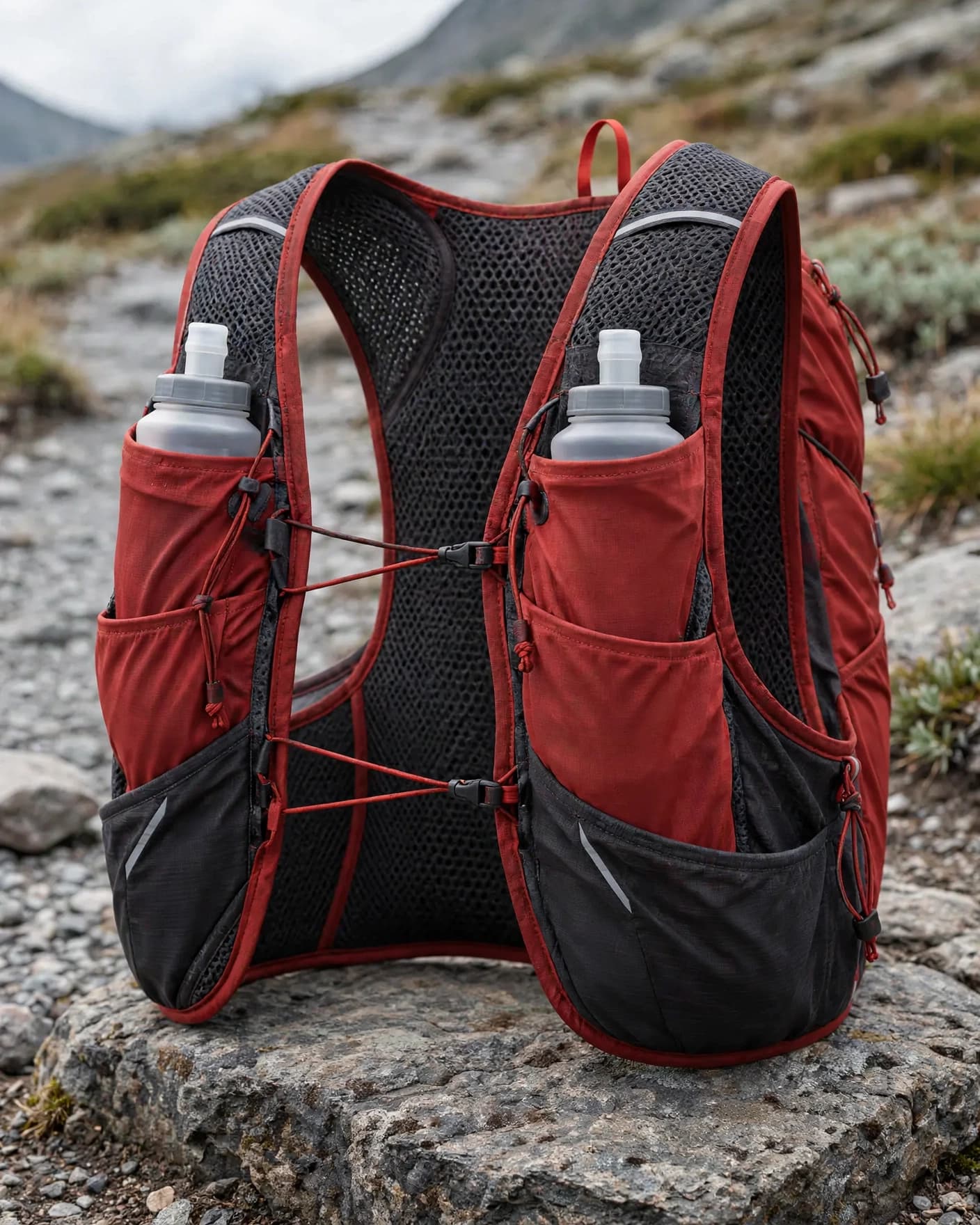
AI trail editorial image of the technical hydration vest on alpine rock
Trail editorialPassed with review

The outdoor context adds useful campaign value without an obvious change to the core silhouette, flasks, pockets, or color system.

  • GeometryHeld
  • Color + materialHeld
  • ConstructionReview
  • Graphics + patternN/A
  • Scale + contextHeld
  • AI defectsHeld
  • Commercial useHeld

Test 04 / Control-rich electronics

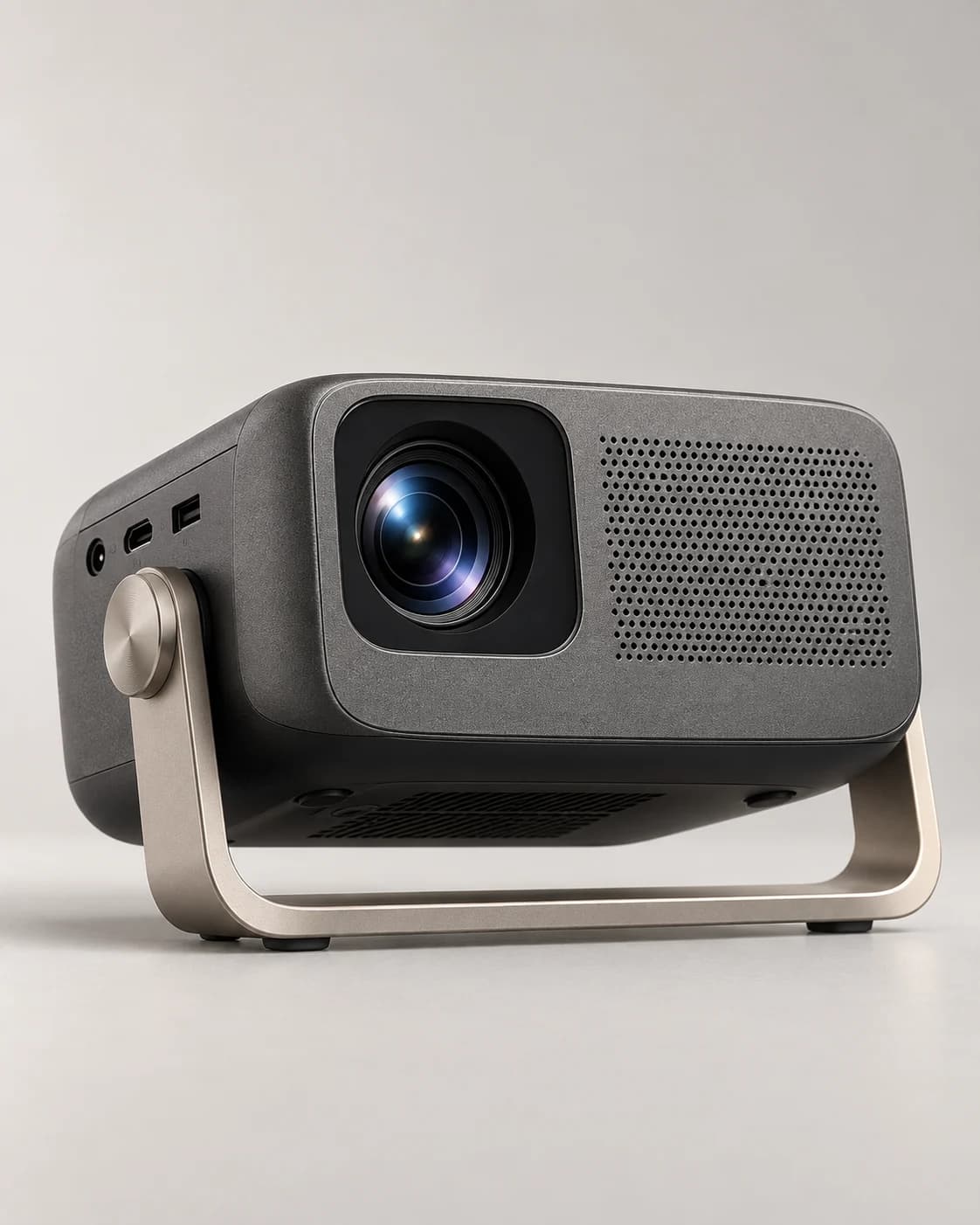
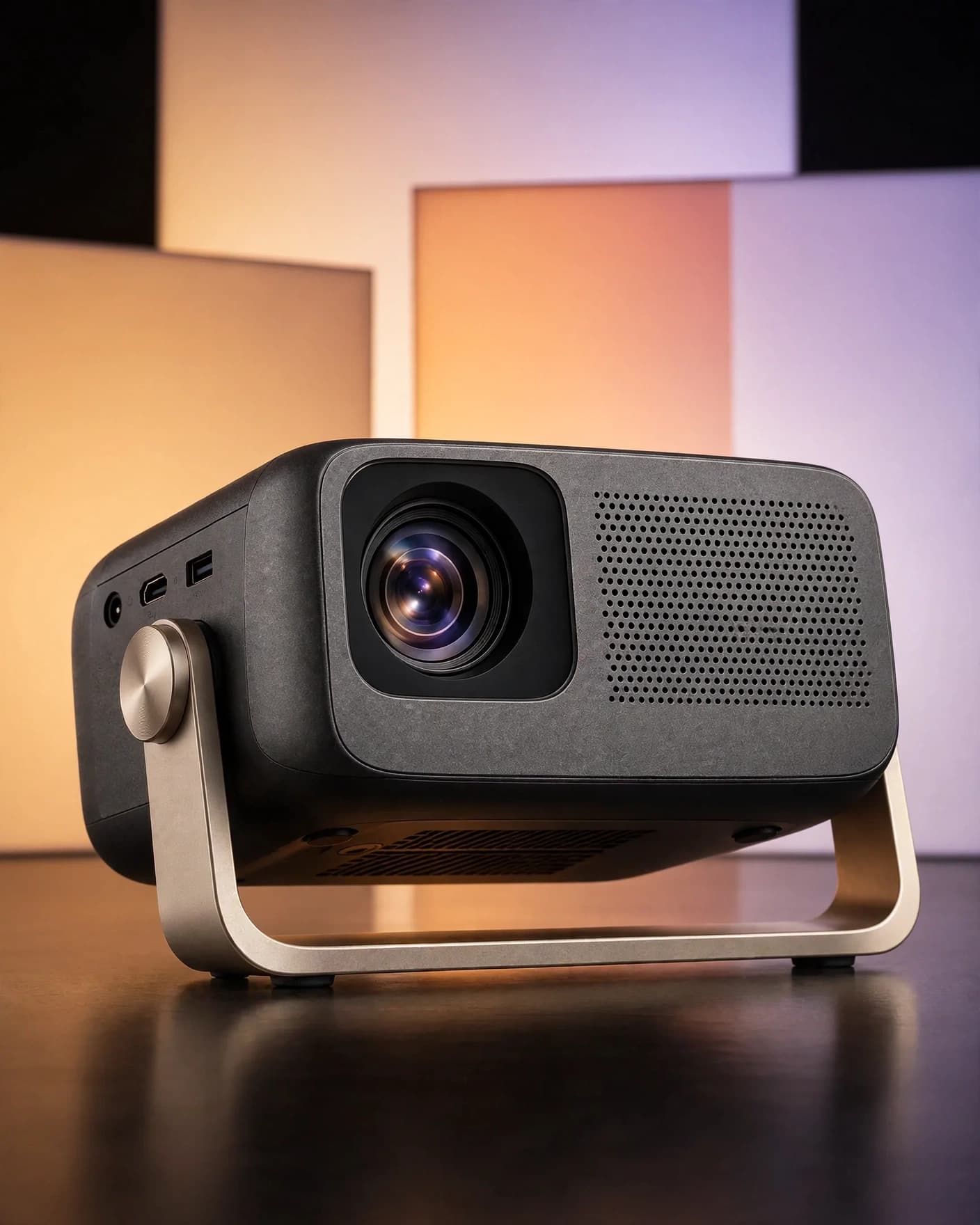
Portable projector

Fidelity risk: Lens and vent layout, ports, pivots, stand, seams, and feet

Source image of a warm-graphite portable projector with a metal stand
SourceExact product reference
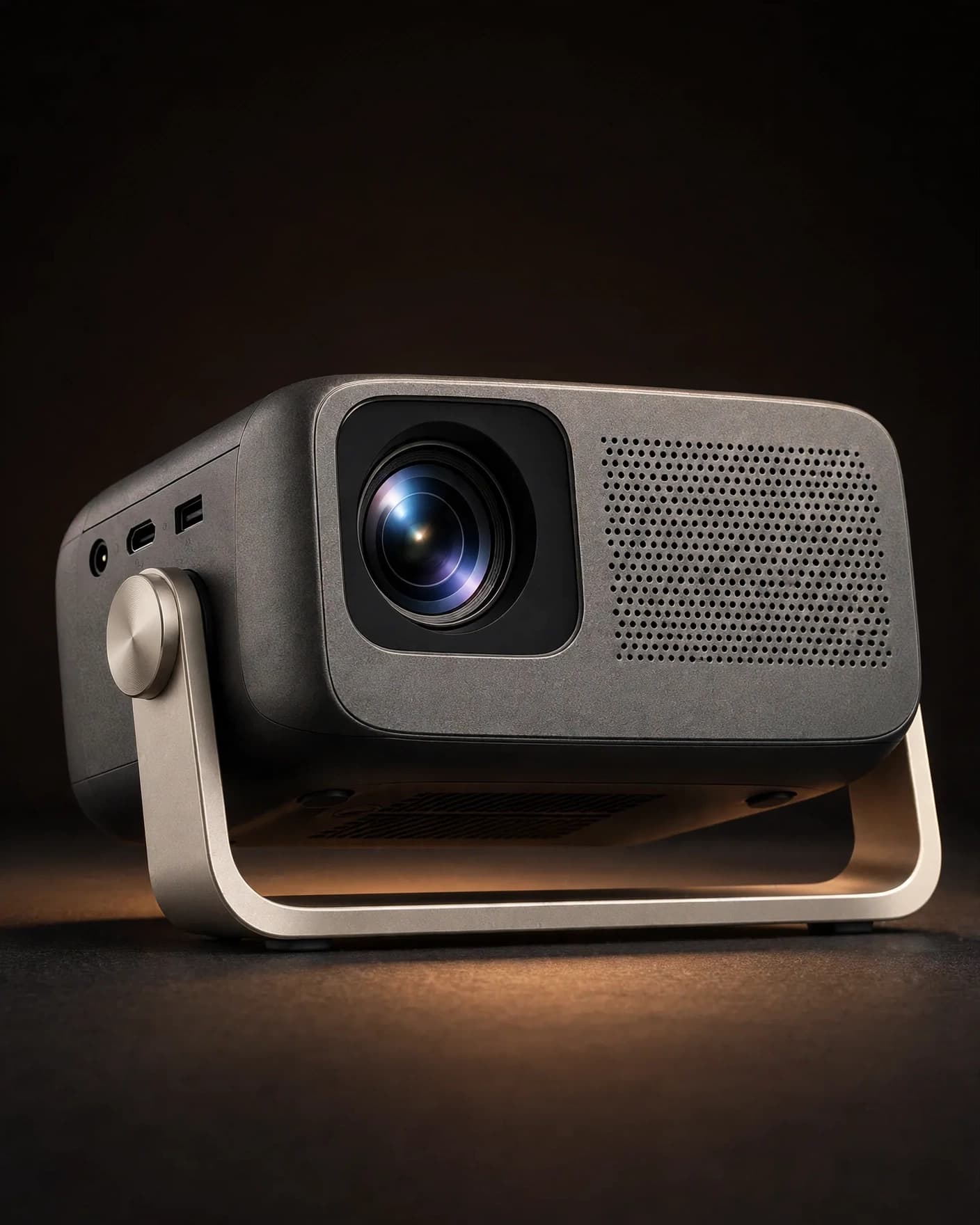
AI background edit of the portable projector on a dark studio stage
Constrained background editPassed with review

The lens, vent, visible ports, open stand, pivots, and shell remain coherent. Port and perforation accuracy should be checked against the physical unit.

  • GeometryHeld
  • Color + materialHeld
  • ConstructionReview
  • Graphics + patternN/A
  • Scale + contextHeld
  • AI defectsHeld
  • Commercial useHeld
AI launch campaign image of the portable projector with illuminated panels
Launch campaignPassed with review

The campaign treatment increases visual impact while preserving the defining shell, lens, vent, and support geometry at normal viewing size.

  • GeometryHeld
  • Color + materialHeld
  • ConstructionReview
  • Graphics + patternN/A
  • Scale + contextHeld
  • AI defectsHeld
  • Commercial useHeld

Test 05 / Scale-sensitive furniture

Moss-green reading chair

Fidelity risk: Proportion, upholstery, cushion, leg geometry, perspective, and floor contact

Source image of a moss-green upholstered reading chair
SourceExact product reference
AI background edit of the moss-green reading chair against pale oak
Constrained background editPassed with review

The upholstery, winged shell, cushion, leg structure, and grounded contact remain credible in the restrained interior treatment.

  • GeometryHeld
  • Color + materialHeld
  • ConstructionHeld
  • Graphics + patternN/A
  • Scale + contextReview
  • AI defectsHeld
  • Commercial useHeld
AI architectural room staging image of the moss-green reading chair
Architectural room stagingPassed with review

The wider room makes relative scale the main judgment call, but the chair remains physically grounded and recognizably the same product.

  • GeometryHeld
  • Color + materialHeld
  • ConstructionHeld
  • Graphics + patternN/A
  • Scale + contextReview
  • AI defectsHeld
  • Commercial useHeld

What the sample suggests

Scene changes were easier than exact printed artwork.

The vest, projector, chair, and ring stayed commercially useful at normal viewing size. The cookie tin exposed the core limitation: AI can preserve overall product identity while quietly redrawing small graphics.

Commercial-use verdict for each first output
ProductJobVerdictMain review point
Winter cookie tinConstrained background editRejectedThe tin stayed recognizable, but small illustration details and decorative marks were redrawn. That is too risky for exact packaging representation.
Winter cookie tinSeasonal campaignRejectedThe campaign is visually convincing, but the same artwork drift remains. It should not replace a verified packaging photograph.
Oval diamond ringConstrained background editPassed with reviewThe stone arrangement, cool-white metal, and frontal product identity remain convincing. Fine prong and facet details still require a jeweler's close review.
Oval diamond ringPremium campaignPassed with reviewThe more dramatic composition keeps the recognizable stone hierarchy and metal tone, with microscopic setting accuracy remaining the main review point.
Trail hydration vestConstrained background editPassed with reviewThe two-flask layout, pocket architecture, mesh, color blocking, and cord system remain legible. Small hardware details still deserve a product-owner check.
Trail hydration vestTrail editorialPassed with reviewThe outdoor context adds useful campaign value without an obvious change to the core silhouette, flasks, pockets, or color system.
Portable projectorConstrained background editPassed with reviewThe lens, vent, visible ports, open stand, pivots, and shell remain coherent. Port and perforation accuracy should be checked against the physical unit.
Portable projectorLaunch campaignPassed with reviewThe campaign treatment increases visual impact while preserving the defining shell, lens, vent, and support geometry at normal viewing size.
Moss-green reading chairConstrained background editPassed with reviewThe upholstery, winged shell, cushion, leg structure, and grounded contact remain credible in the restrained interior treatment.
Moss-green reading chairArchitectural room stagingPassed with reviewThe wider room makes relative scale the main judgment call, but the chair remains physically grounded and recognizably the same product.

Before you publish

Use this five-minute product fidelity check.

Open the source and result at full size. Compare the details a customer could use to identify, choose, or return the product.

  1. Trace the silhouette.Check overall shape, proportions, openings, handles, limbs, and component placement.
  2. Count the details.Compare stones, buttons, ports, pockets, straps, seams, fasteners, and repeated parts.
  3. Inspect identity marks.Zoom into labels, packaging artwork, logos, text, prints, and distinctive patterns.
  4. Check material behavior.Confirm metal color, gloss, transparency, fabric texture, reflections, and edge quality.
  5. Test the scene physics.Review scale, perspective, contact shadows, grip, gravity, and interaction with props or people.
  6. Choose the right response.Publish only after approval. Otherwise constrain the edit, repair manually, or use conventional photography.

Choose the production method by risk

AI is a tool—not permission to skip product review.

Use a constrained AI edit

When the source product is already strong and the job is mainly background, framing, or lighting context.

Use an ambitious generation

For campaign exploration where the product is still large, visible, and practical to compare against the source.

Use manual compositing or a reshoot

When exact graphics, regulated claims, small construction details, or physical dimensions must be represented without ambiguity.

Practical answers

AI product photography fidelity FAQ

Does AI product photography preserve every product detail?

No. It can preserve many important characteristics, but exact preservation is not guaranteed. In this test, illustrated packaging was the clearest failure because small artwork details were redrawn even when the wider image looked convincing.

Which AI product images need the closest review?

Review any image where small details affect what the customer receives: packaging artwork, labels, logos, jewelry settings, hardware, garment construction, controls, ports, dimensions, or regulated claims.

Can I publish an AI product photo without checking it?

You should not. Compare the result with the source at full size and check the real product before commercial use. A visually polished image can still contain a commercially important mismatch.

What should I do when the product changes?

Reject the result for exact-product use. Try a more constrained edit, simplify the requested change, repair the image manually, or use conventional photography when exact representation is essential.

Test your own product

Start with a source image you can inspect closely.

Create 10 images with the one-time free credit balance, then use the same checklist before publishing anything.

FlowEdit / Privacy

Choose which optional technologies FlowEdit may use on the website.

Essential

Required for authentication, security, billing and core features.

Always active